Energy Stuff - Solar Systems, Solar System Repairs, New Systems, Upgrades & Monitoring

Your guide to off-grid living

Your guide to off-grid living

With rising electricity prices and large upfront connection costs, choosing to go Off-Grid for your electricity is increasingly more attractive. When choosing between an Off-Grid system or paying to connect your property to the grid, looking at your systems life cycle will help to understand the total cost of each option over the long term, not just the initial upfront cost. The biggest mistake people make is purchasing a system that is too small to power their lifestyle. Going Off-Grid with the dream of never paying a power bill again can be extremely attractive. But if you can’t afford to do it properly, you’ll end up wishing you got connected to the main electricity grid.

Before you start your journey towards Off-Grid living, there are a few things to consider: DOWNLOAD our guide to explore these today.

  • Firstly, find out what the cost would be to get a grid connection. As well as the initial connection cost, there is the projected cost of total power over the next 10-15 years plus an expected 5% price increase per year.
  • Get an energy assessment done to find out what kind of Off-Grid system is best suited to your circumstances, expectations and budget. Get in touch with us and we’ll give you a free energy assessment, design a customised Off-Grid system and guide you through the process with our best recommendations.
  • Find a good balance between value for money and quality. Buying the cheapest system on the market is a calculated risk when it comes to solar systems that are connected to the conventional grid. If your inverter fails, your solar system may not work but at least you will still have electricity in your home. WHEN YOU ARE OFF-GRID, POOR QUALITY COMPONENT FAILURES WILL LEAVE YOU WITHOUT POWER. IT IS NOT WORTH THE RISK!
  • If you want the best value for money, use common business sense. The saying “You get what you pay for” is generally true! Try and future-proof your system by being realistic with your projected energy use and balancing this against your budget.

The many reasons for off-grid living

  • You are building a new shed or workshop on an existing rural property
  • You are looking to build a new home in an area with no grid connection.
  • You are looking for the perfect green-field solution for your holiday retreat/weekender without the ongoing commitment and cost of grid connection.
  • You have a small remote shed or shack that you need power for
  • You are looking for sustainable living
  • The cost of connecting to the grid is higher than installing an independent Off-Grid system.

Download Now!

Get the best out of your solar system over winter

With winter and spring still to work their way through solar panel owners will be seeing a drop in solar power output that comes in the cooler months. With shorter days, more cloud cover and the sun shining at a different angle, you may be losing up to a half of your solar system’s usual output. While this will impact on your power bills — there are things that can be done to make sure your panels continue operating as efficiently as possible all through the winter months.

Winter weather doesn’t necessarily mean less solar power – as your solar system can function better in cool sunny weather than in the very hot summer days. Solar panels are tested at 25 degrees Celsius — so for every degree the temperature climbs above that, the panel’s output efficiency is reduced. In that regard, winter weather has an advantage over summer — though it needs all the help it can get with the added challenges of shorter days and increased cloud cover.

With that in mind, there are some ways you can offset the seasonal drop, starting with the most low-tech solutions and working up to the ones that might require a little extra investment.

Clean your panels

While taking good care of your solar panels should be a regular affair, autumn is a particularly good time to give them some extra attention. Winter is when you’ll be needing that little bit extra, after all.

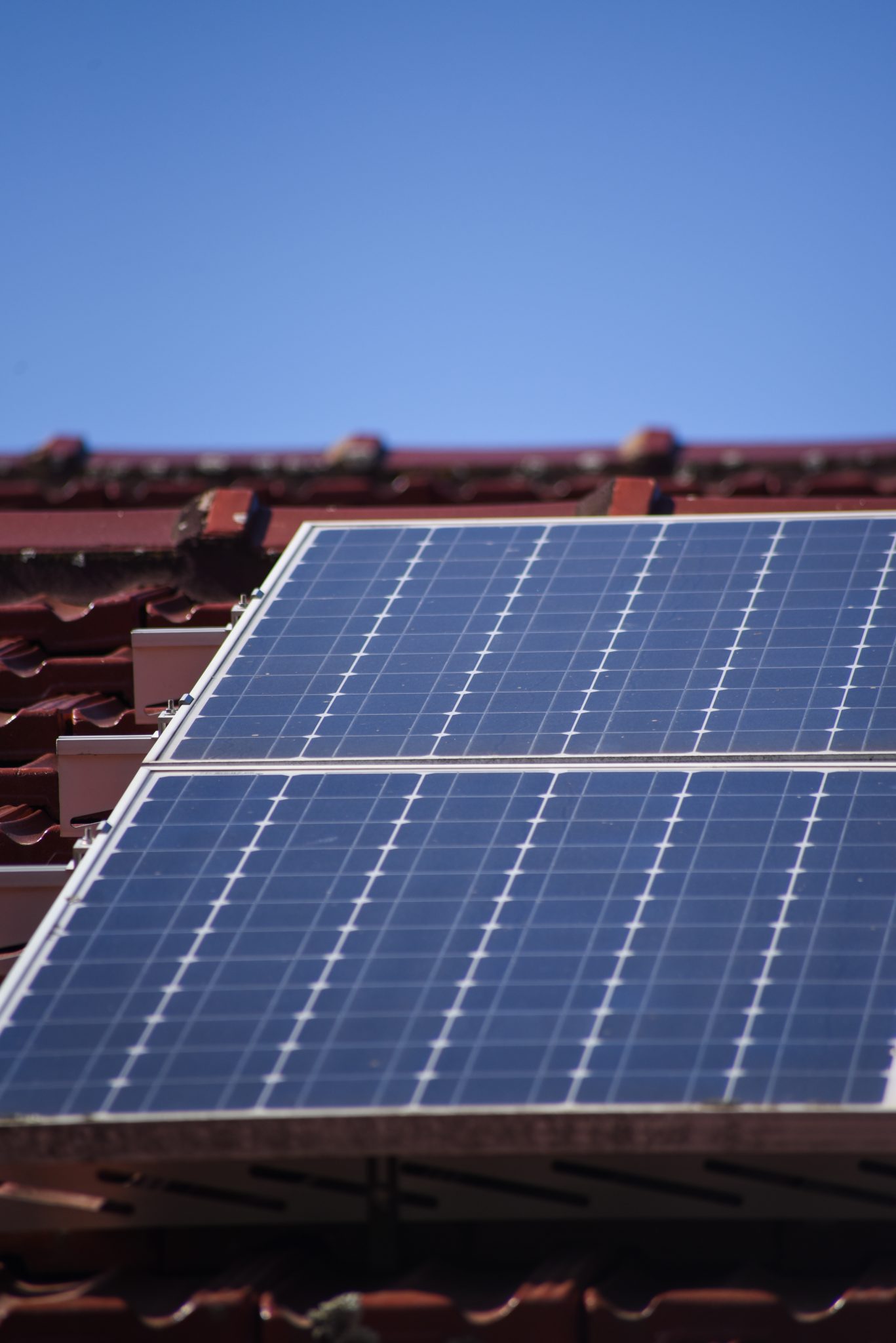
If you haven’t done so recently — and if it can be done safely — you should give your solar panels a good clean in case of any built up grime, dirt or other unwelcome additions to your panel like spots of bird poop. You should avoid using harsh chemicals or rough brushes to clean PV panels — instead use some warm water and a sponge wrapped in a cloth, or a soft brush. If you can’t get to your solar panels easily (or if you just don’t have the time) contact us and we will put you in touch with a specialist panel cleaner.

Get the most of the winter sun

Now is also a good time to make sure your panels are still getting access to all the sunlight they need. Generally, your panels should be receiving full sun from 9am until 5pm — and taking into consideration the angle of the winter sun, you may find that stray branches or overgrown trees are shading part of your panel array. This is especially important to address if you’re running on a central inverter rather than a microinverter. If you can, trim any branches that may be interfering with your precious sunlight.

Time for a check up

Like your car your solar system should be maintained and checked at least once a year, though many work on the ‘set and forget’ principal. Some early systems may need repair in that isolators, inverters, wiring and sealing may need attention. If you have not had your system checked for a few years then we suggest you do this over the next few months. If you are in Victoria or Queensland we can provide a full system audit by an accredited CEC installer. Contact us today using the form if you need this service

What gets measured gets better

Now that you’ve run through the basics of setting your solar panels up for winter, it’s time to look at what more you can do to squeeze every last drop of energy out of your investment in solar energy. If you want to get more hands-on with your power, it’s time to look at monitoring.

While some inverters come with monitoring via Wi-Fi and apps most of these only offer limited feedback. If you are really keen to not just monitor but actively manage your energy, then I suggest you look at a more comprehensive Smart Energy platform. One I recommend is Emberpulse which offers great feedback on the energy produced by your solar system and the energy used within the home as well as appliance automation. It provides real-time alerts for better energy management and if your system goes down with all of these backed with money back guarantees.

The benefits of going solar

With over 1.8 million residential solar systems installed and growth per annum still going strong, it is evident that people see the real benefits of going solar. So what are the benefits?

  1. Solar Power can save you money – Installing Solar power enables you to generate your own electricity. By using your own electricity rather than buying it from your electricity company, you will save money as every kW/h of electricity you can use from your solar system is a kW/h of electricity you do not have to buy from your electricity company.
  2. Environmental Benefits – By using electricity generated from solar panels, we reduce the need to generate electricity from fossil fuels like coal and gas which create carbon dioxide (CO2). This can reduce the potential for global warming and can create a more sustainable cleaner energy mix, as long as the solar panels will last a long time.
  3. Energy Independence – By owning your own Solar system, you have the capacity to create your own electricity. This reduces your reliance on the electricity grid and electricity retailers etc and increases your control over your future electricity needs, expenses and lifestyle especially if you add batteries to your system in the future.
  4. Property Value – there are increasing studies that show that installing a quality solar system on a home may increase property value. Home buyers are increasingly recognising that a home with quality solar panels installed will have lower electricity costs.
  5. Energy reliability – High-quality solar power systems are a reliable power source. The sun rises and sets every day, while the sun shines, solar panels will make electricity. While the weather and the seasons will vary, the amount of electricity that the panels make are predictable. You can also increase the financial benefits of your solar system by changing the times you operate your household appliances. For example, turning your washing machine on as you leave the home in the morning and avoiding washing your clothes at night allows your solar system to power your machine during the day. With the help of lithium-ion batteries, which are becoming more affordable, one can also harvest solar power during the day and use it at night

Buy or upgrade now with the future in mind

A few years ago, many buyers of residential solar did not consider the efficiency of their panels. If they wanted a 5kW system they could buy 20 panels with 250W or 23 less efficient 220W panels. Most customers never imagined they would in the future need more than 5kW of solar and in many homes around 20 to 32 panels will fit on the roof. That was the old solar.

But with the emergence of battery storage as a smart way to harvest the light during the day and then to use this electricity at night, panel efficiency has become a very important consideration.

Considering that the future of electric cars is coming fast, with most vehicle manufacturers announcing electric car models in a few years; you might want to expand your solar system in the future to power the electric car. The worldwide CO2 reduction could be enormous if we are able to utilise our roofs to generate some of the fuel for our cars. In short in the future one might want 5kW+ of solar system for day use and 1-2kW of solar for the batteries to use at night and then to fuel the car one would need another 4-6kW of solar to power the car(s) via solar. Overall suddenly there is the need for a 10 -12kW system. With 275W panels this would mean one needs to fit at least 36 panels.

So, it is important today to buy a system with future expansion capability in mind, both for batteries and future Electric Vehicles.

The same applies if you are looking to upgrade your current system, and this may be brought about by system failure or the changing needs of your family. Rather than just replace inverters and panels based on your original need (which may be 5 to 8 years ago) look ahead to the future (more kids, less kids at home), and the opportunity to embrace new technologies (batteries, electric cars)

Find out more about how Energy Stuff can support your future solar needs.

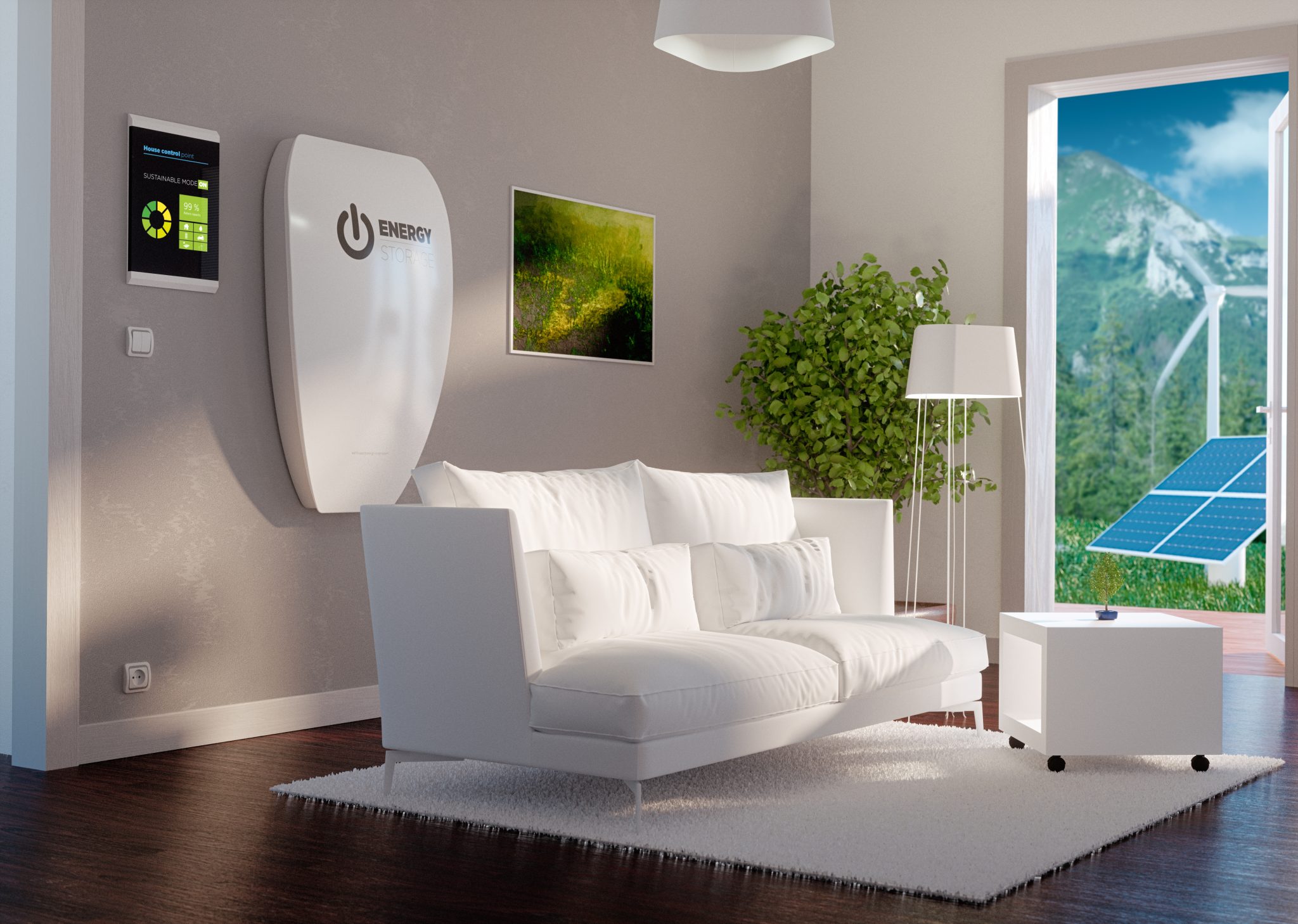
Add battery storage to your solar system

With ever increasing power prices and the risk of impending shortages in some States, it is a fertile market for those pushing battery storage as the simple solution. A recent news poll of 2,000 households (ABC-21Sept) found:

  • Almost three -quarters of people believe batteries will become commonplace
  • 60% of households with solar panels are considering purchasing a battery in the next few years
  • The price of storage batteries in the first half of 2017 only dropped by 5%

With over 1.7 million residential solar systems in Australia this represents over one million battery installations.

While this is an exciting development in households taking control of their energy bills it does raise some questions that need to be addressed.

According to the Clean Energy Regulator, 25% of all rooftop installed solar capacity has a fault. This is based on the Clean Energy Regulator (CER) figures gleaned from audits the CER conducts each year.

Of these 4.7% are faulted to be dangerous and need to be shut down until remedied. There is also another approx.18% of builds with faults that are not dangerous but need fixing. Many of these are caused by poor quality product such as isolators that are not weather sealed. A high percentage of these faulty systems were installed between 2010 and 2015 and most are now out of warranty or the original installers have left the industry. It is the early start of a lot of work that will need to be done over the next few years to fix problems caused by the use of poor quality product which includes a high percentage of inverter faults.

So the question remains what comes first, the battery solution, or bringing your current system up to compliance?

Many systems are currently not working to optimum standard and many are unsuitable for battery installation due to their size (2kW systems were very popular in the early days) or inverter design. My suggestion is to have an audit done by qualified tradespeople of your current system so you can make sure your system is working safely, and optimally, and is suitable for a battery installation in the future.

Is now the right time to install a battery?  Yes, prices have come down but they are still expensive and unless you are a big user of power the payback can be anywhere from 8 to 10 years. Prices will continue to fall and I expect within the next two years we will see a drop across the range of suppliers that will bring the payback down to around 5 to 7 years which is starting to make sense.

In the meantime make sure your system is working well and you are getting the best feed-in tariff available. Become battery ready.

Check out Energy Stuff services today as we can support you in the whole solar journey.